The allure of the casino environment
Modern casinos are designed to create a captivating atmosphere that draws players in and keeps them engaged. The use of vibrant colors, engaging sounds, and intricate lighting schemes contributes to an immersive experience that triggers emotional reactions. When players step into a casino, they often experience a heightened sense of excitement and anticipation, which can lead them to make impulsive decisions regarding their gambling behavior. For instance, many are drawn totop bitcoin gambling sites that promise thrilling experiences and significant rewards.
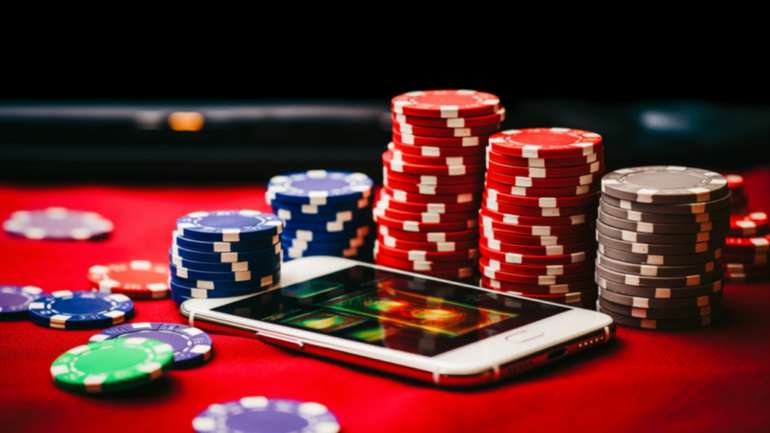
This sensory stimulation is strategically engineered to promote a state of euphoria, making it difficult for players to leave. The thrill of winning, combined with the ambiance of the casino, leads to a psychological phenomenon known as “loss aversion,” where players are more likely to continue gambling to recoup losses, hoping to return to that initial high.
The role of cognitive biases
Cognitive biases play a significant role in how players interact with games in casinos. One common bias is the “gambler’s fallacy,” where individuals believe that past outcomes will influence future results. For example, a player may think that a slot machine is “due” for a win after a series of losses, which can lead to prolonged play and increased spending. This can often result in significant financial consequences for the players involved.
This psychological misjudgment can result in players making decisions based on misconception rather than probabilities, contributing to a cycle of betting and loss. Understanding these biases helps casino operators tailor their marketing strategies and game designs to exploit these tendencies, ensuring that players remain engaged longer.
The impact of social interaction
Social interactions also significantly influence the psychology of players within casinos. The presence of other players can enhance the gaming experience, creating a communal atmosphere that encourages participation and excitement. Players often find camaraderie at poker tables or in group games, which can lead to increased betting as individuals feel supported and influenced by their peers. This dynamic can often amplify the thrill associated with gambling.
Moreover, the sense of belonging and competition with others can heighten adrenaline levels, making the experience more enjoyable. This social component is often a crucial factor in why many individuals choose to visit casinos, as the interaction enhances the overall experience beyond mere gambling.
The effects of rewards and incentives
Casinos utilize a variety of rewards and incentives to motivate players, and these can have profound psychological effects. Loyalty programs, bonuses, and promotional events create a sense of value and encourage players to return. The anticipation of potential rewards can lead to increased gambling behavior, as players often feel that they are receiving something of worth in exchange for their time and money. This compulsion can be quite powerful, particularly in high-stakes games.
Additionally, variable reinforcement schedules—where rewards are given out unpredictably—can reinforce gambling behaviors. This psychology mirrors behaviors seen in traditional behavioral conditioning, where rewards drive repeated actions. As such, players remain captivated by the prospect of hitting a jackpot at any moment, further entrenching their gambling habits.
Ensuring a safe and secure gaming experience
In today’s landscape, it is crucial for casinos to embrace responsible gaming measures to protect their players. Understanding the psychological aspects of gambling behavior allows casino operators to implement strategies that foster a safe environment. By promoting awareness about responsible gambling habits and providing resources for assistance, casinos can play an essential role in minimizing potential harm to their patrons.
The balance between excitement and responsibility is vital, as it ensures players can enjoy their experience while maintaining control over their gambling activities. This approach not only benefits the players but also enhances the overall reputation of the casino, creating an environment that prioritizes user welfare alongside entertainment.